
TD BEAUTY SPA · SCAR CARE · DERMATOLOGY
When is the right time to treat a scar?
Healing after a procedure is often judged by the visible result, but the real process runs much deeper. For many patients, what happens after treatment is just as important as the treatment itself.
Dr. Maryna Svyrydyuk, a London based dermatologist, emphasizes that recovery is a crucial stage of the patient journey. From scar support to skin regeneration, modern aftercare focuses on helping the body repair in a way that protects both skin quality and confidence.
Through her participation in international medical events such as the TDABS Meeting, Dr. Svyrydyuk contributes to the conversation around advanced recovery protocols, innovative dermatologic approaches, and the science behind optimal healing.
Going beyond the scar means understanding that the procedure is only one step. Proper aftercare, regenerative support, and personalized recovery strategies can make a meaningful difference in how the skin heals, and how patients ultimately experience their results.
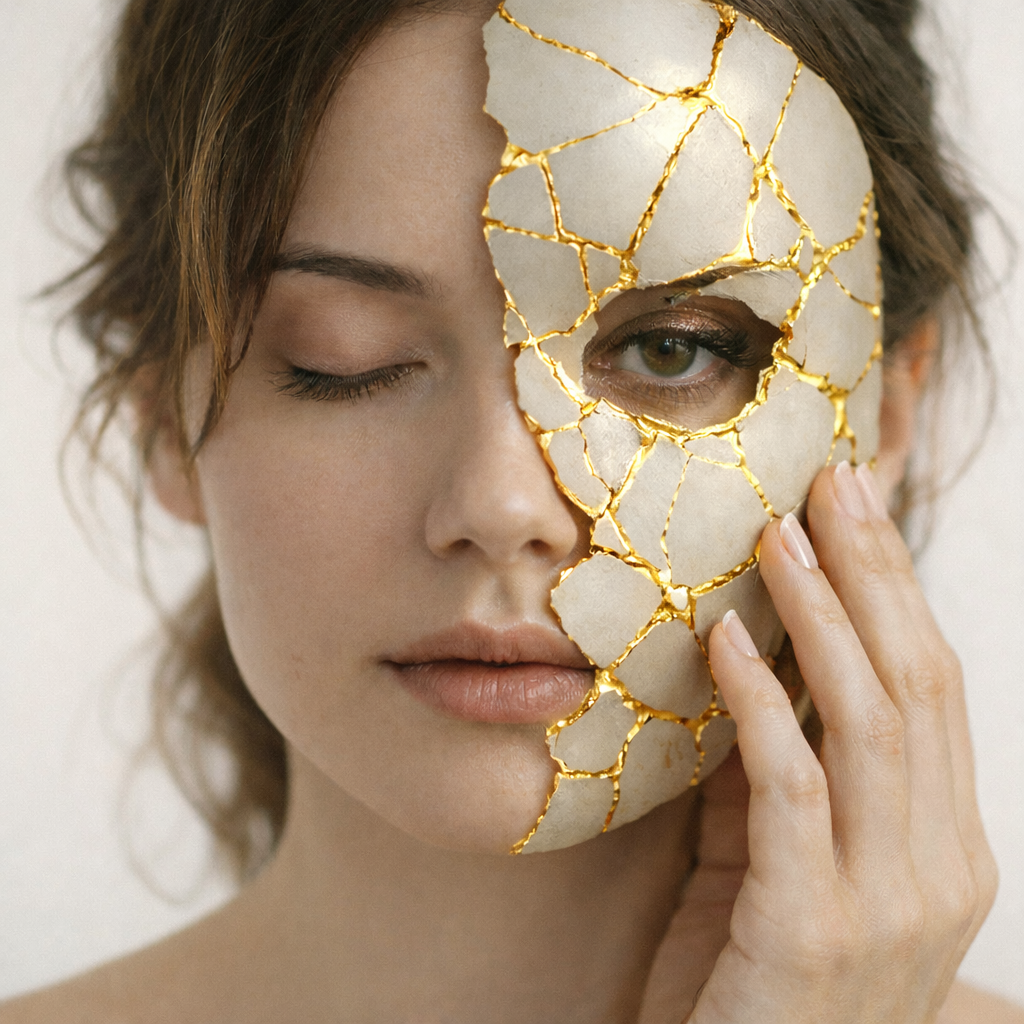
The best moment is not a date on the calendar. It is the stage of healing your skin is in.
Timing matters more than most people think
When is the right moment to treat a scar? It is not about doing everything at once. It is about choosing the right approach based on the stage your skin is in. Starting early, while the tissue is still changing, can often make a meaningful difference.
After surgery, most people focus on the procedure and the result they expect. As the weeks pass, another concern often appears: the scar. Sometimes it feels firmer than expected, looks redder, or changes slightly in color. This does not always mean something is wrong. In many cases, it is part of the natural healing process. Still, understanding the skin’s timeline can help determine when observation is enough and when it may be helpful to intervene.
Why scar management matters
Scars are not a health risk, but they can influence how someone perceives the final result of surgery. The skin continues to change for weeks and often months while collagen reorganizes, inflammation settles, and the tissue adapts.
For that reason, many specialists agree that scars should not simply be ignored until they mature. Addressing them during appropriate stages may help guide their development and reduce the chances of thickening, stiffness, or uneven tone. Modern protocols often emphasize the early phases of healing, when tissue is still responsive and easier to influence.
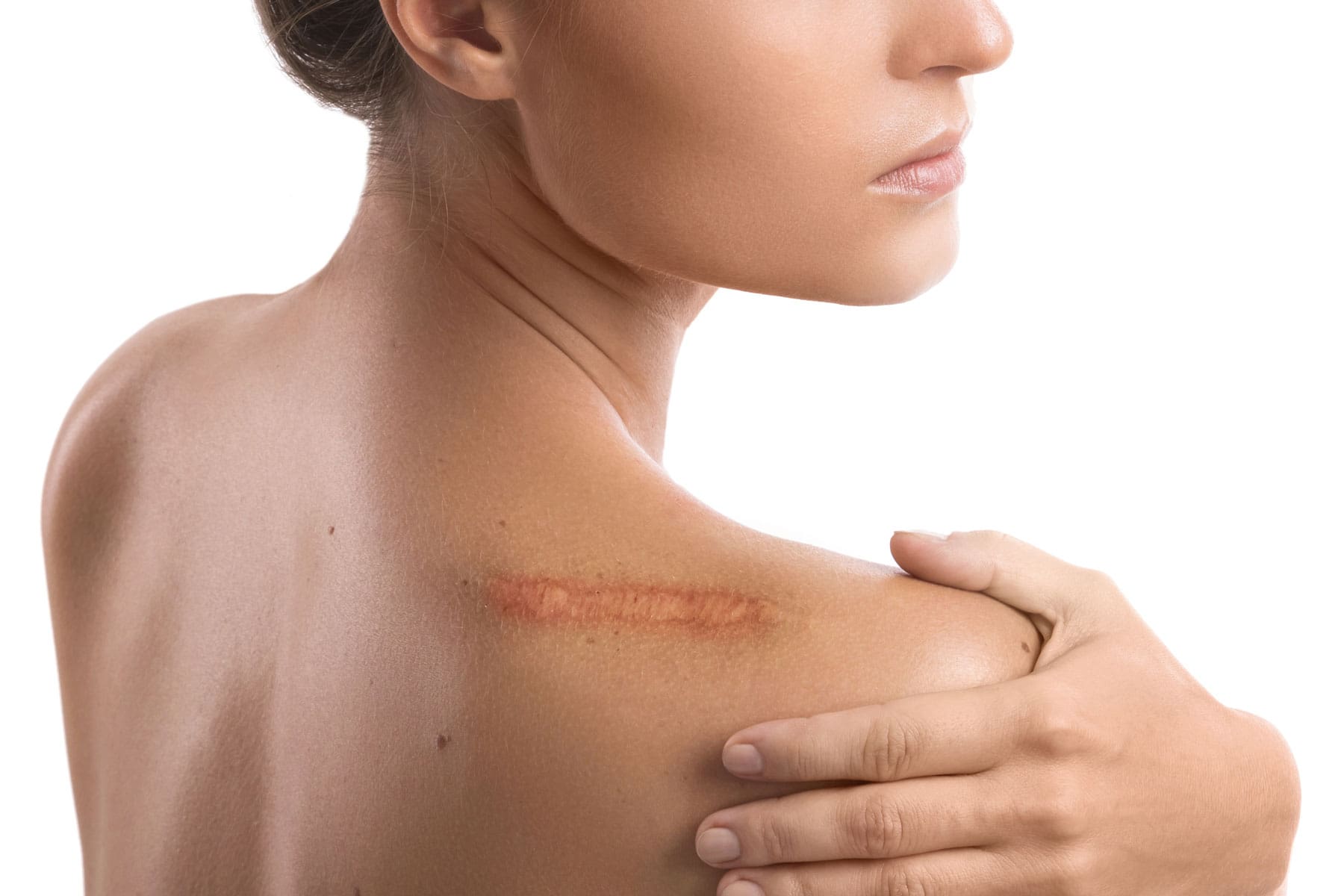
Early phases can be a strategic moment to guide how a scar evolves.
What a scar actually is
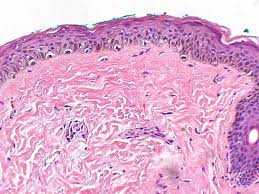
A scar is the body’s natural way of repairing skin after a wound or surgical incision. To close the tissue, the body produces collagen and builds a new framework. Over time, that collagen reorganizes and the scar gradually changes in appearance. This is why scars often appear redder, firmer, or more noticeable during the early stages of healing.
The different ways scars can appear
Normotrophic scars
Flat scars that closely match the surrounding skin color.
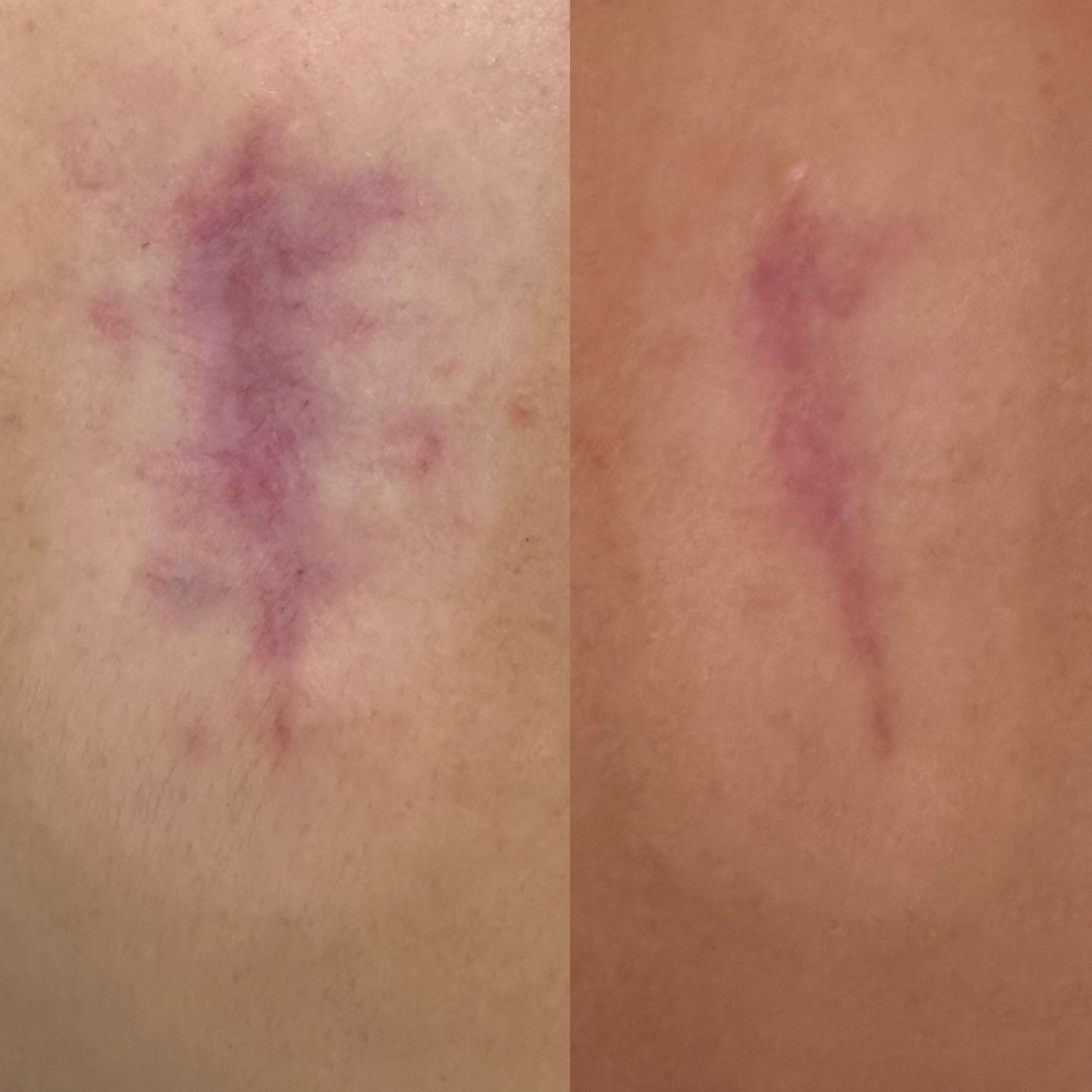
Hypertrophic scars
Raised scars that remain within the boundaries of the original wound.
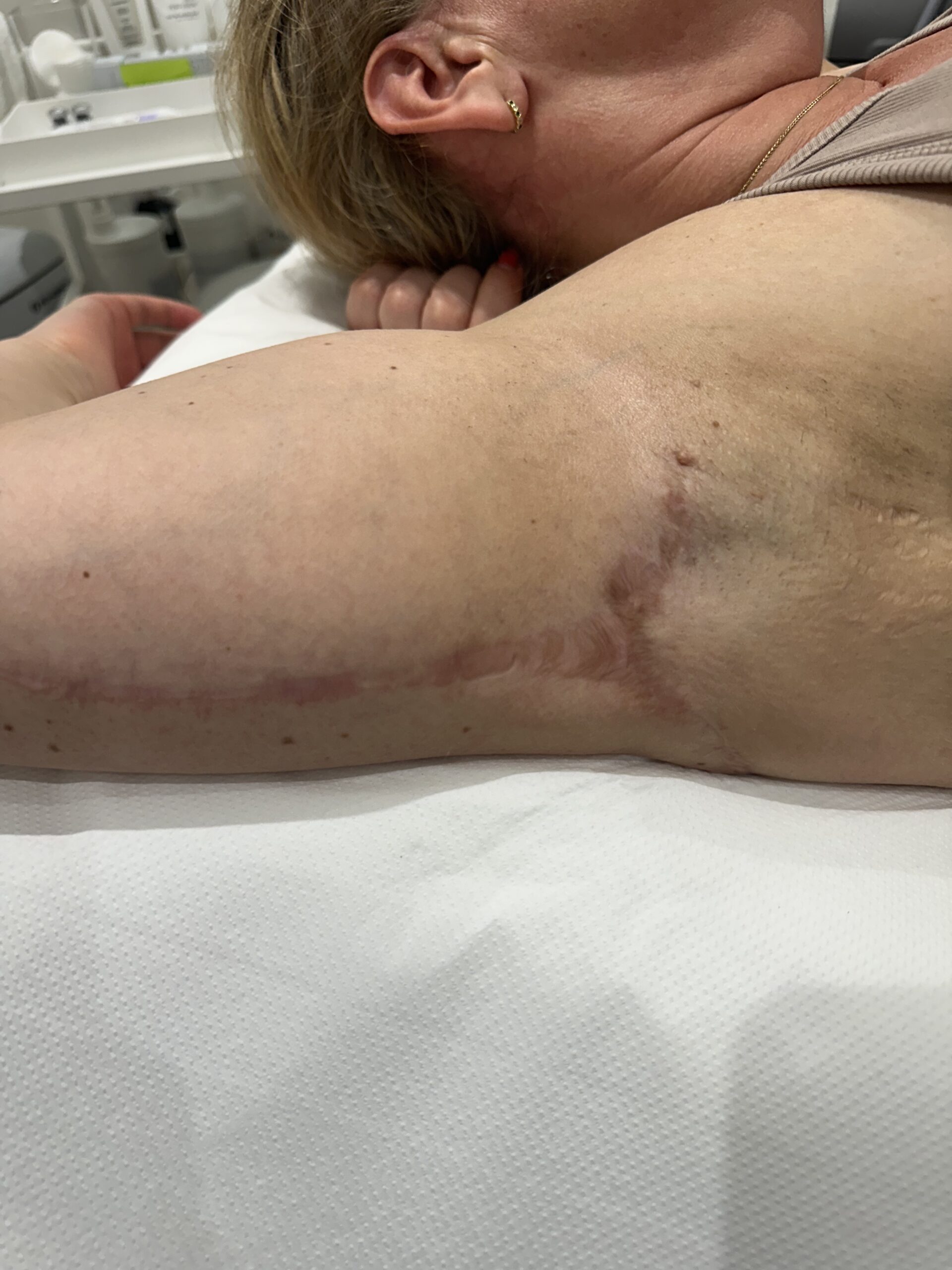
Atrophic scars
Depressed or sunken scars caused by loss of tissue.
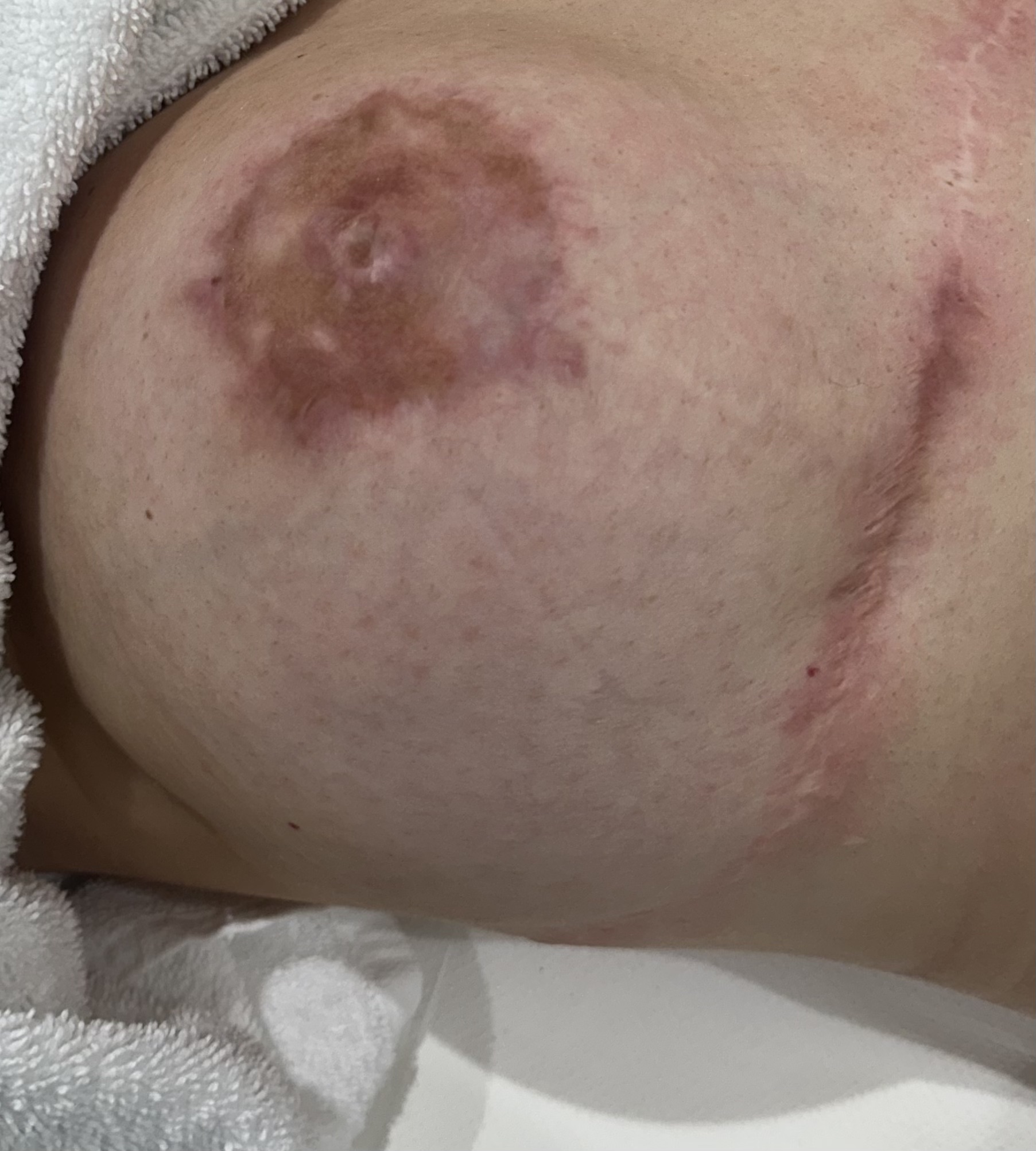
Keloid scars
Thicker scars that extend beyond the original injury.
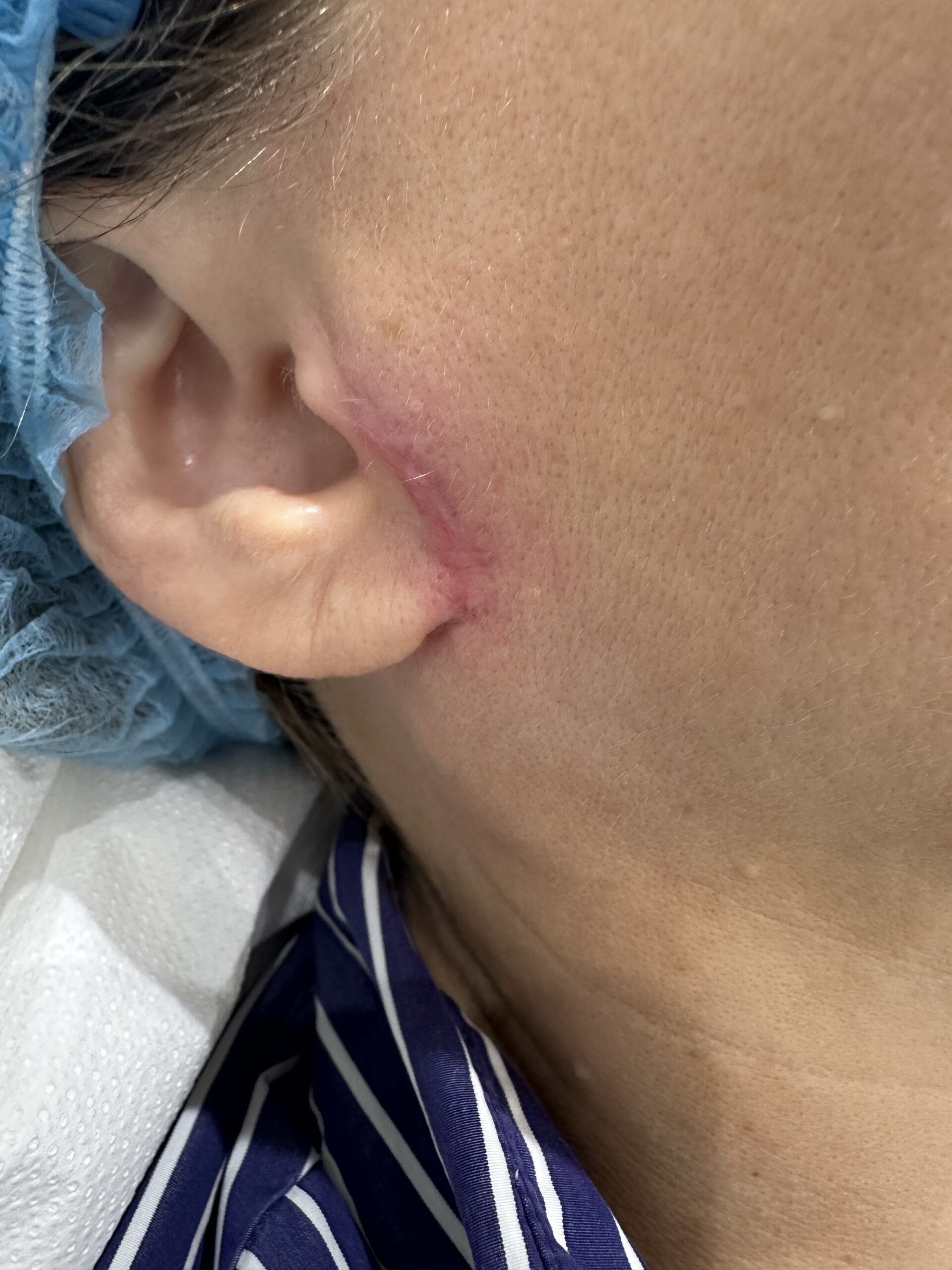
Each type behaves differently and may require a different management approach.
Three common misconceptions about scars
A scar depends only on the surgeon.
Technique is important, but each person’s biological healing response also plays a role.
Nothing should be done until months later.
In many cases, early guidance can help tissue evolve more favorably.
All scars behave the same way.
Skin type, body location, tension, and personal history can all influence healing.
How modern dermatology approaches scars today
Today, the focus is not on trying to erase scars. It is about guiding how they evolve over time. A practical framework often follows four steps.
Evaluate Assess vascularity, thickness, texture, and pigmentation.
Soften Reduce inflammation and improve tissue flexibility.
Treat Apply therapies depending on the stage of healing.
Refine Improve tone and texture once the skin is ready.
What the process usually looks like
Although every patient is different, scar management typically follows a progressive path.
- Medical evaluation The scar, skin type, and individual risk factors are assessed.
- Diagnosis The stage of healing and scar characteristics are identified.
- Personalized plan Initial care and possible options are outlined as the scar evolves.
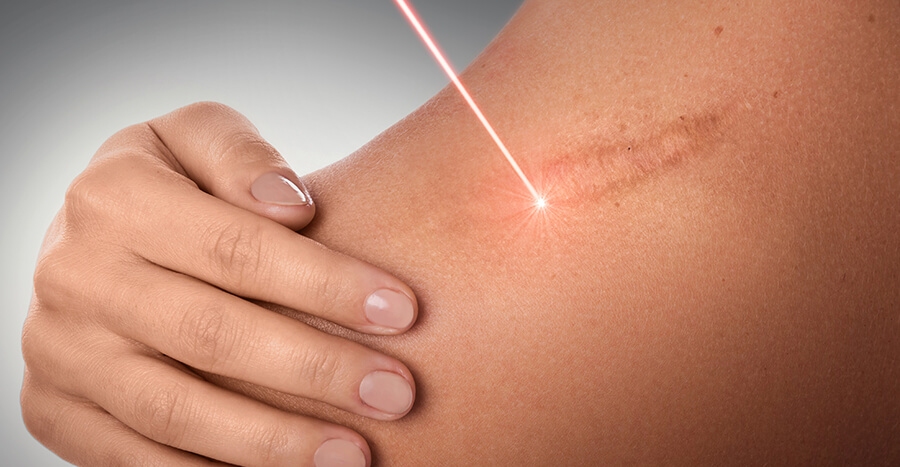
- Progressive treatments Options may include topical care, vascular lasers, radiofrequency microneedling, or regenerative therapies.
- Follow up Because scars change for months, periodic monitoring helps guide the next step.
Who may benefit from early scar evaluation
Early scar management may be helpful for people who:
- Recently had surgery
- Notice redness or firmness in the scar
- Experience changes in skin color around the scar
- Have a history of hypertrophic or keloid scars
- Want to improve the texture or appearance of a recent scar
Some individuals may require closer monitoring, particularly those with a personal or family history of abnormal scarring, darker skin phototypes, a smoking history, or medical conditions that may affect healing.
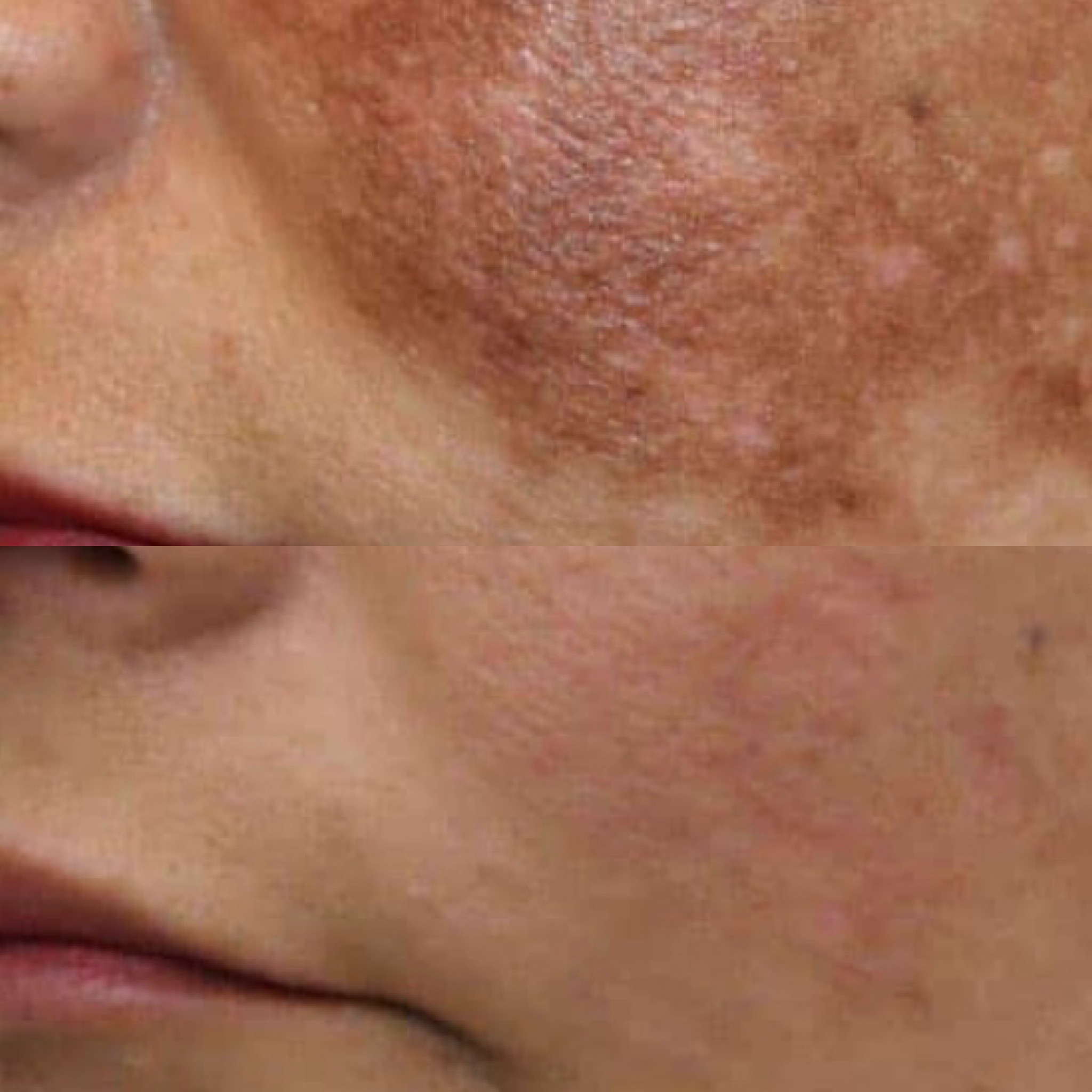
What results can realistically be expected
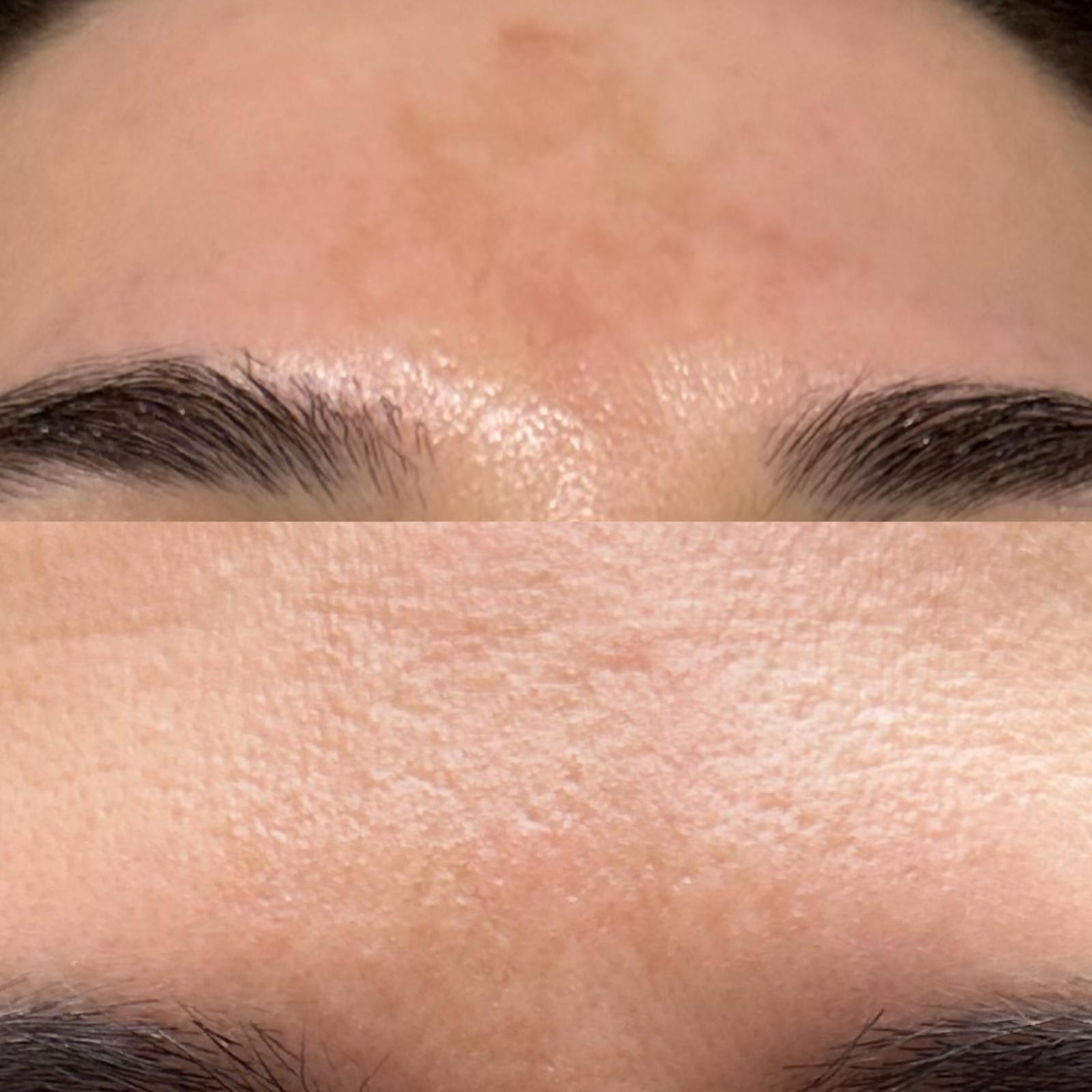
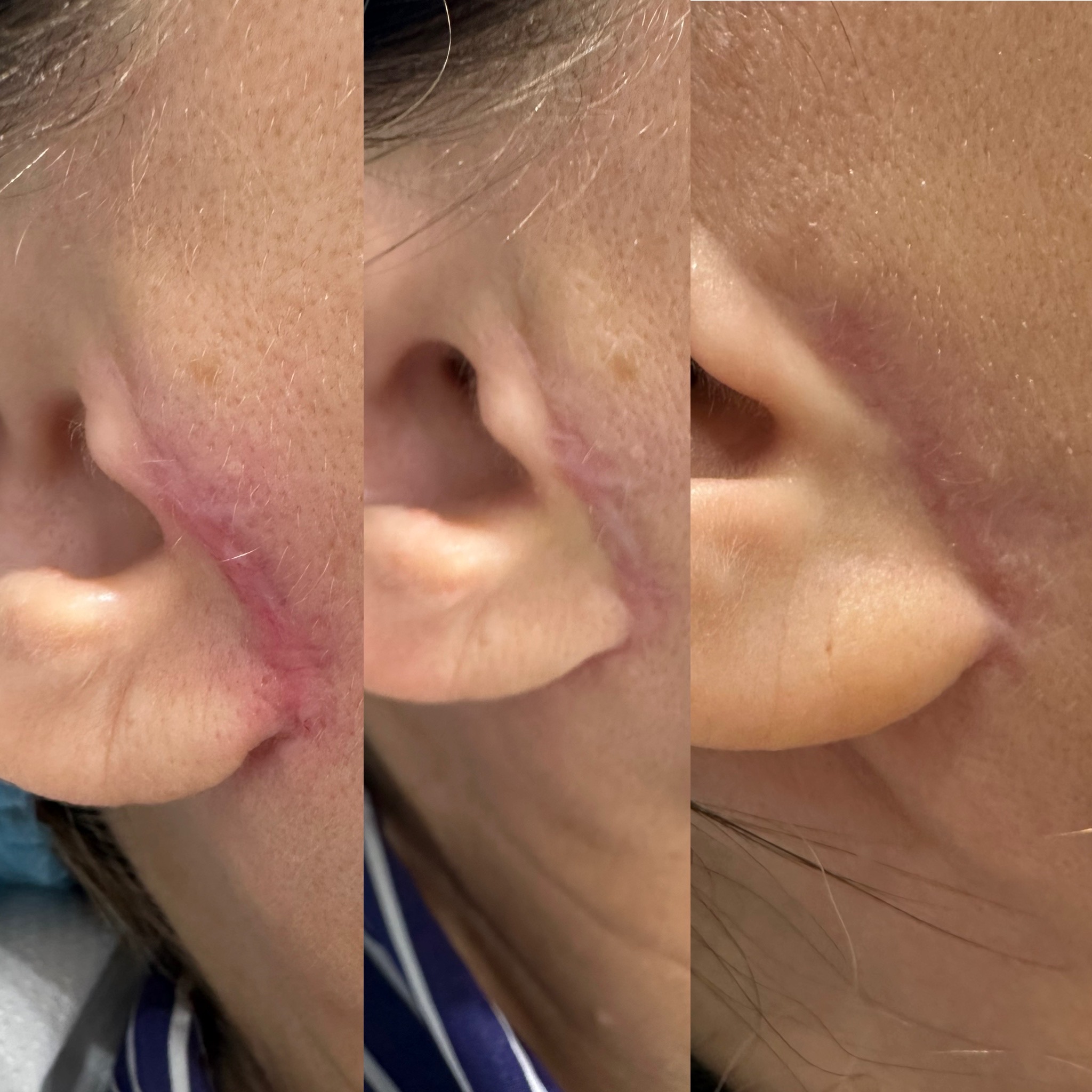
The goal of scar treatment is not to completely eliminate a scar. Instead, the aim is to improve its aesthetic and functional quality. Depending on the situation, treatment may help achieve:
- Softer tissue texture
- Better blending with surrounding skin
- Gradual reduction of redness
- Improved flexibility of the tissue
Scar remodeling takes time. Many scars continue to evolve and improve over several months.
Frequently asked questions
When should a scar be treated?
This depends on the case, but many approaches consider treatment during the early stages of healing.
Are treatments painful?
Most procedures are performed with measures designed to maintain patient comfort.
Is laser treatment always necessary?
Not necessarily. The plan depends on the scar type and the healing stage.
Final perspective
Surgery may change the structure of the body, but the scar is part of the recovery process. Today we understand that careful skin management, appropriate timing, and thoughtful follow up can help scars evolve in a more favorable way.
If you recently had surgery or are concerned about the appearance of a scar, a professional evaluation can help determine the best moment to intervene. At Total Definer Beauty Spa, advanced dermatologic technologies and regenerative treatments are used to support healthier skin recovery and improve scar quality.
Schedule your consultation today and discover how early scar management can make a difference in the way your skin heals.
INFORMATIONAL CONTENT. THIS DOES NOT REPLACE INDIVIDUALIZED MEDICAL ADVICE. ALWAYS FOLLOW YOUR SURGEON’S INSTRUCTIONS.
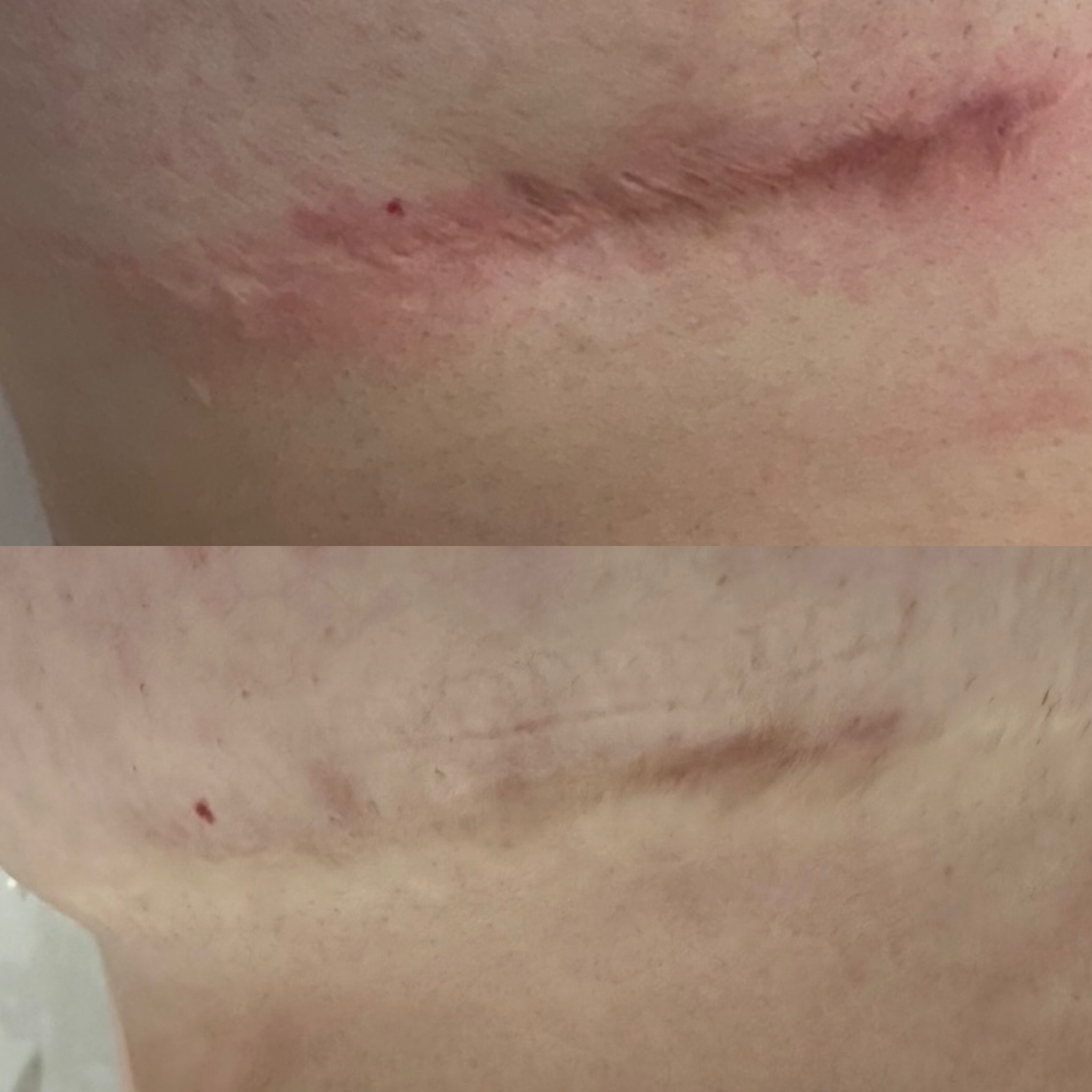

Before

After