
TD BEAUTY CLINIC · SURGICAL RECOVERY · WELLNESS
Can gut health influence how you heal after surgery?
A week ago at the Total Definer Advanced Body Sculpting (TDABS) Congress in Cartagena, more than 250 doctors from around the world gathered to discuss the latest developments shaping aesthetic surgery and recovery. One of the most thought provoking lectures was delivered by Dr. Ingrid Moreno, a specialist in preventive and regenerative medicine, who presented a fascinating question: what if the quality of surgical healing begins long before the first incision, in the gut?
Her talk highlighted an emerging area of research: how gut health and the microbiome may influence inflammation, immune response, and tissue repair. As medicine continues to evolve, staying close to these trends helps us understand healing from a wider, more modern perspective.
Two people can have the same procedure, in the same area, with the same technique, and still recover in very different ways. One feels lighter and improves quickly, while another experiences prolonged swelling, firmness, or healing that takes longer to settle. Beyond technique and genetics, research is increasingly exploring a key idea: the body’s internal environment may influence the way healing unfolds.
The overlooked part of recovery
When you prepare for surgery, most attention goes to the procedure itself and the steps after it: garments, drainage, massages, movement, and follow up visits. But the body is not simply the place where surgery happens. Recovery is guided by internal processes such as inflammation, immune function, metabolism, circulation, and hormonal signaling. These systems act like a background settings panel that can influence swelling patterns, collagen behavior, and how quickly tissues settle over time.
Key idea: This does not mean outcomes depend only on the patient. Surgical technique remains essential. But growing evidence suggests the body’s internal balance may also influence how healing progresses.
What the microbiome actually does
The gut microbiome is the community of beneficial microorganisms living in your digestive system. These bacteria are not extra. They actively help regulate immune responses, manage inflammatory signaling, and produce metabolic compounds that support tissue repair. For that reason, the gut is increasingly recognized as one of the body’s key regulatory systems.
It may help:
- Modulate inflammation
- Support immune function
- Produce vitamins and metabolic compounds
- Influence tissue repair signaling
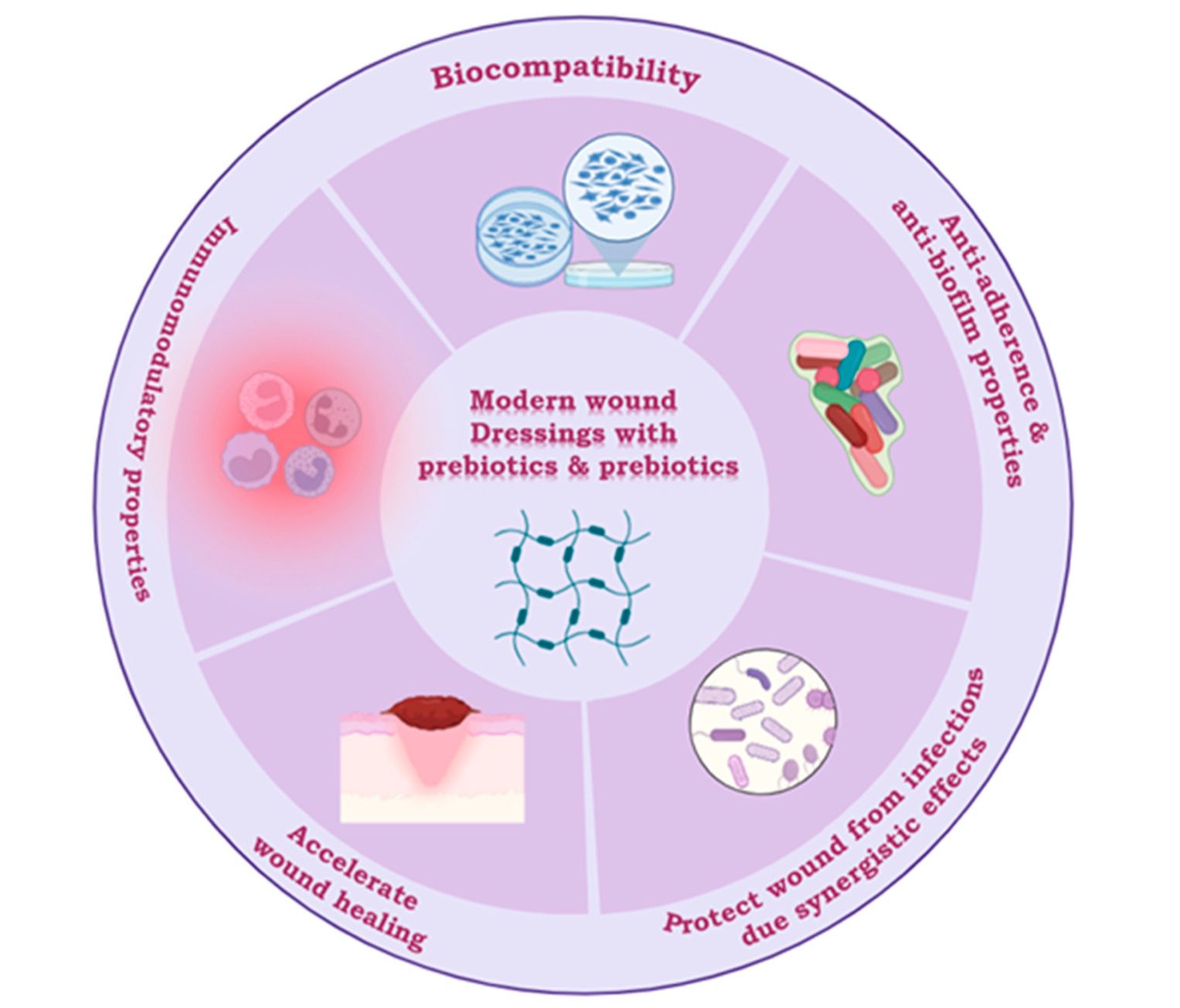
Bădăluță et al. Probiotics in wound healing. Int J Mol Sci. 2024;25:5723

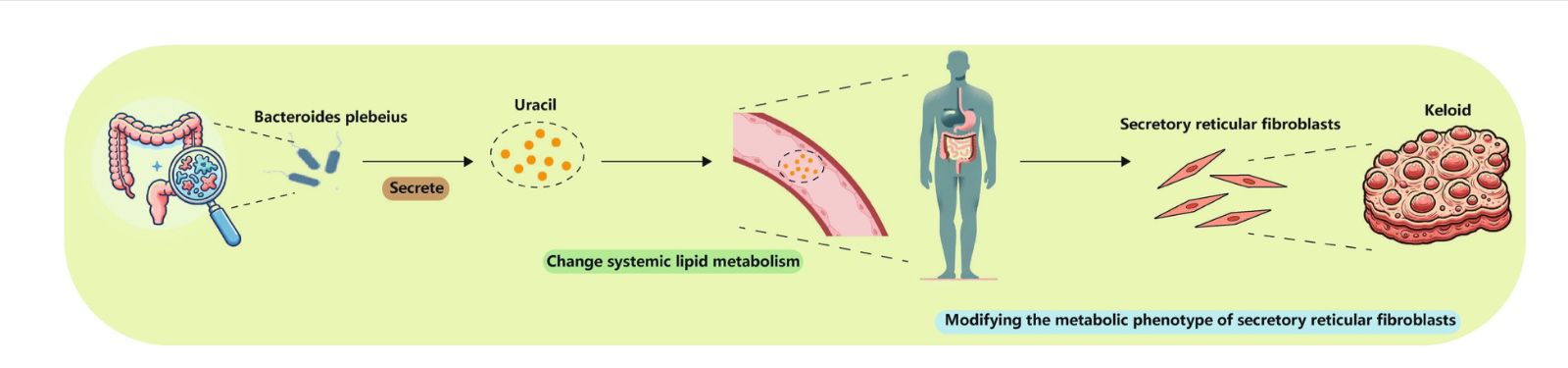
Researchers study the gut skin axis to understand how internal balance may influence skin and scar behavior.
When the gut communicates with the skin
In recent years, researchers have described a biological connection between the digestive system and the skin. When the microbiome is balanced, the body tends to regulate inflammation more effectively. When an imbalance occurs, often called dysbiosis, the body may shift into a state of persistent, low level inflammation.
This matters during recovery because healing is driven by inflammatory patterns. If the internal environment is already noisy, tissue repair can behave differently.
How this can show up after surgery
During recovery, the body activates complex repair mechanisms. A key player is the fibroblast, a cell responsible for producing collagen, the structural protein that supports skin and connective tissue. Collagen is essential, but the way it is organized over time influences softness, flexibility, and the way tissue matures.
If the inflammatory environment is altered, the healing response may shift. In some cases, this may show up as:
- Prolonged swelling that resolves more slowly
- Firmness in tissues that takes longer to soften
- Scars that feel thicker or more rigid for longer
- A slower maturing phase of tissue repair
Important: Healing is not only a local process. It is influenced by systemic signals across the entire body, including immune, metabolic, and inflammatory activity.
Why the first two weeks matter so much
The early stages of recovery are especially important. In the first two weeks, the body sets many of the inflammatory patterns that guide tissue repair. This is when collagen organization begins and the foundation of scar formation is established.
What happens during this phase can influence how tissue continues to mature over the following months, including how swelling resolves, how firmness changes, and how scars soften over time.
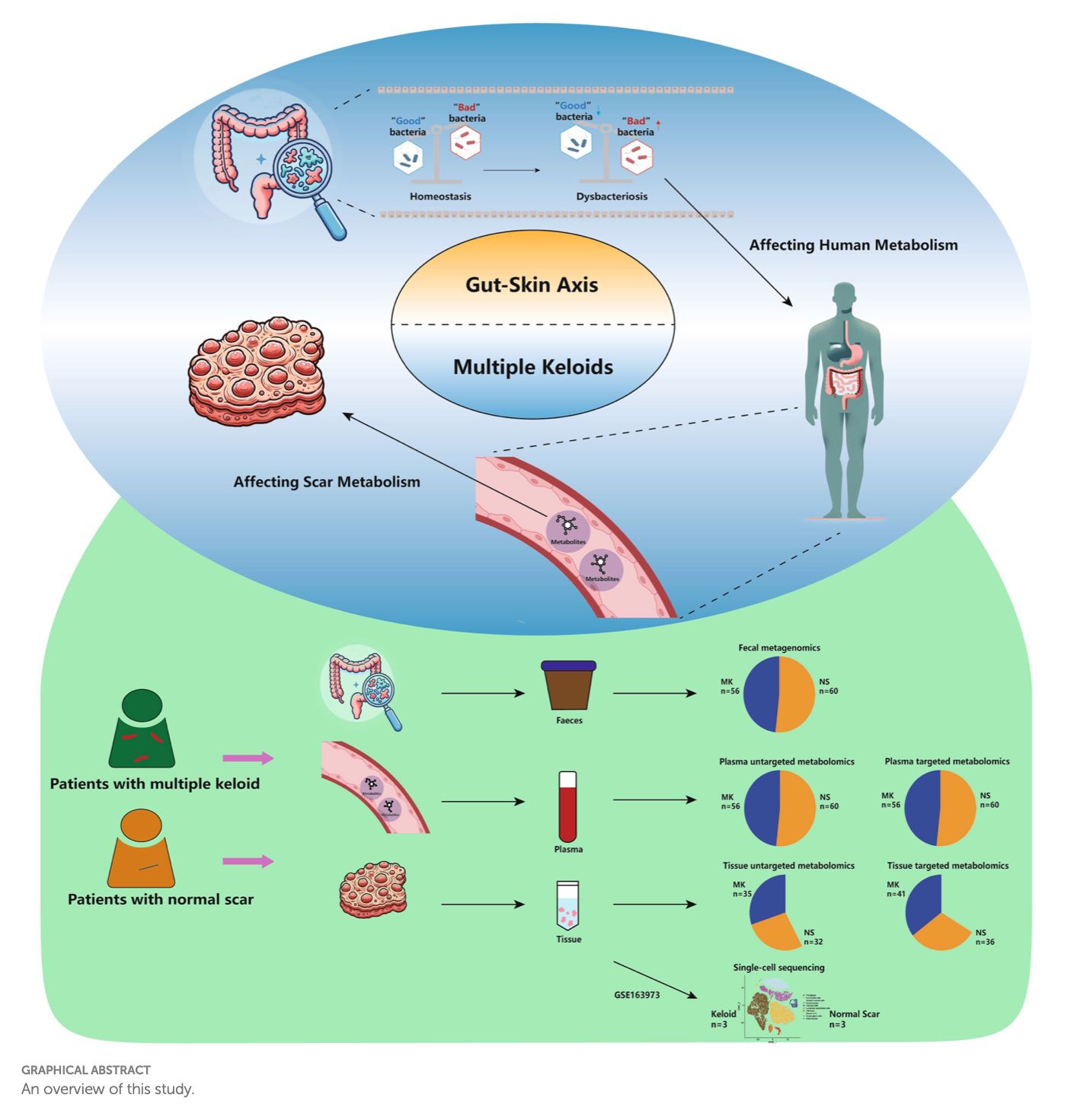
Li D et al., Front Microbiol, 2024
Preparing the body before surgery
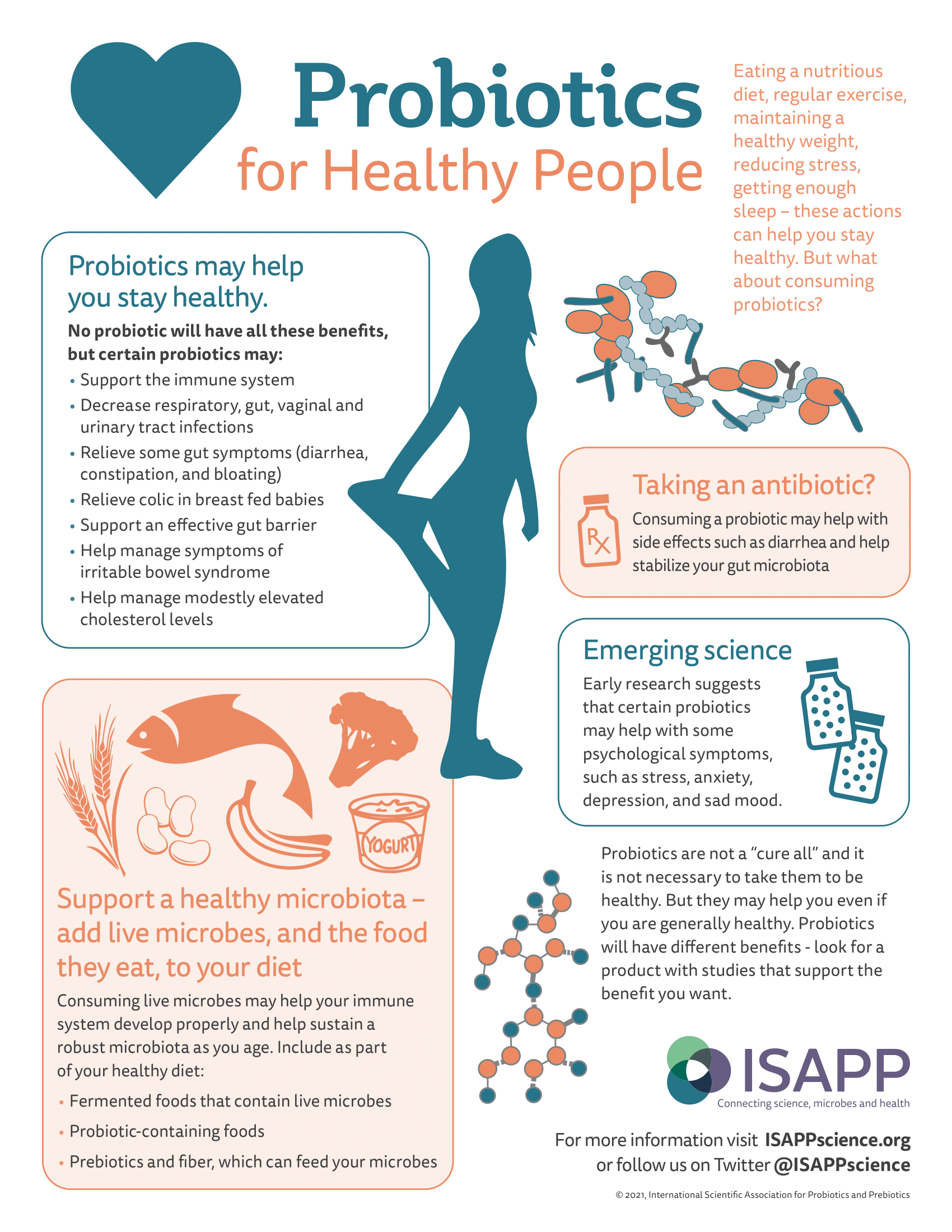
Preparing the body does not replace medical protocols or post operative care. But supporting internal balance may help create a steadier environment for recovery, especially before those first two weeks begin. Many specialists recommend building these habits two to four weeks prior to surgery and continuing them into early recovery, always following your surgeon’s guidance.
Practical habits that may support internal balance
- Choose fiber rich vegetables and whole foods whenever possible
- Include polyphenol rich foods such as berries and olive oil
- Prioritize sleep quality to support immune regulation
- Manage stress, because chronic stress can amplify inflammatory signals
- Add gentle movement when appropriate to support circulation
A more complete view of healing
Surgical technique remains essential. But modern medicine is expanding its understanding of recovery. Healing is guided not only by what happens in the operating room, but also by how the body responds afterward. That response is shaped by systemic factors like immune activity, inflammation, metabolism, and potentially the microbiome.
Final perspective
Surgery can change the structure of the body. But recovery depends on how the body responds. Looking at the microbiome and internal balance offers a wider lens on healing, one that goes beyond the procedure and focuses on the conditions that support tissue repair.
Ready to support your recovery with a science based wellness approach?
If you are preparing for surgery or you want to support your recovery with a science based wellness approach, schedule a consultation with Total Definer Beauty Spa. Our team can guide you with personalized strategies and treatments designed to support balance, resilience, and better recovery conditions.
Book your consultation today.
INFORMATIONAL CONTENT. THIS DOES NOT REPLACE INDIVIDUALIZED MEDICAL ADVICE. ALWAYS FOLLOW YOUR SURGEON’S INSTRUCTIONS.